Spartanburg’s Tapestry: Weaving Systems Together So Families + Students Thrive
A 2025 snapshot of Movement 2030 progress - from early childhood to postsecondary to neighborhoods
We’ve all heard the saying, “it takes a village to raise a child.” Spartanburg is ensuring that all students and families can navigate the most critical years of a child’s life.
In Spartanburg, we believe the future depends on something simple and bold: every child deserves to be born healthy, supported, and surrounded by opportunity so they can flourish.
That belief is at the heart of Movement 2030, our countywide effort to strengthen outcomes from cradle to career and expand opportunities for life success. This work isn’t one program, one organization, or one sector. It’s a tapestry woven strand by strand through relationships, trust, and sustained commitment over time.
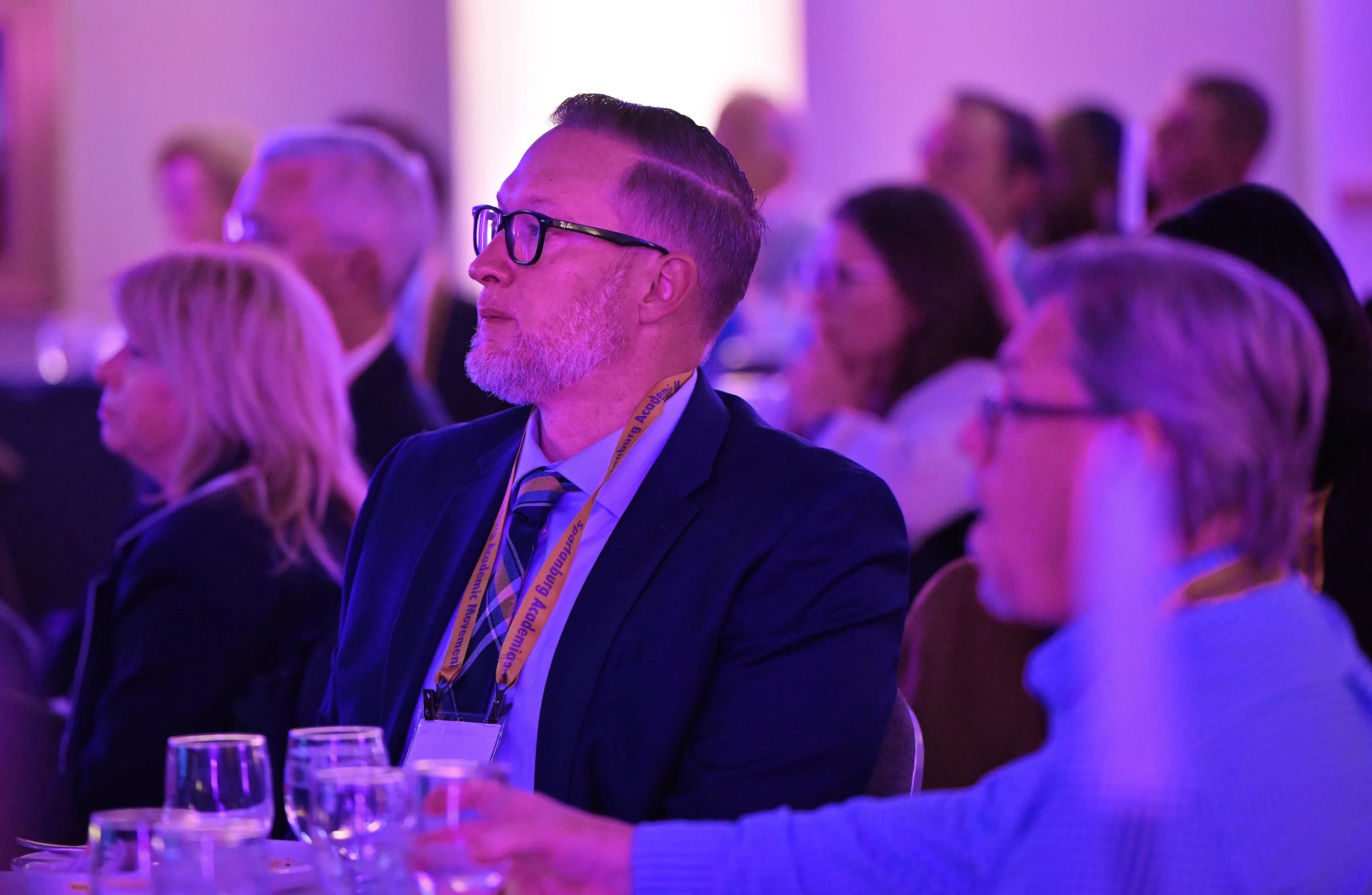
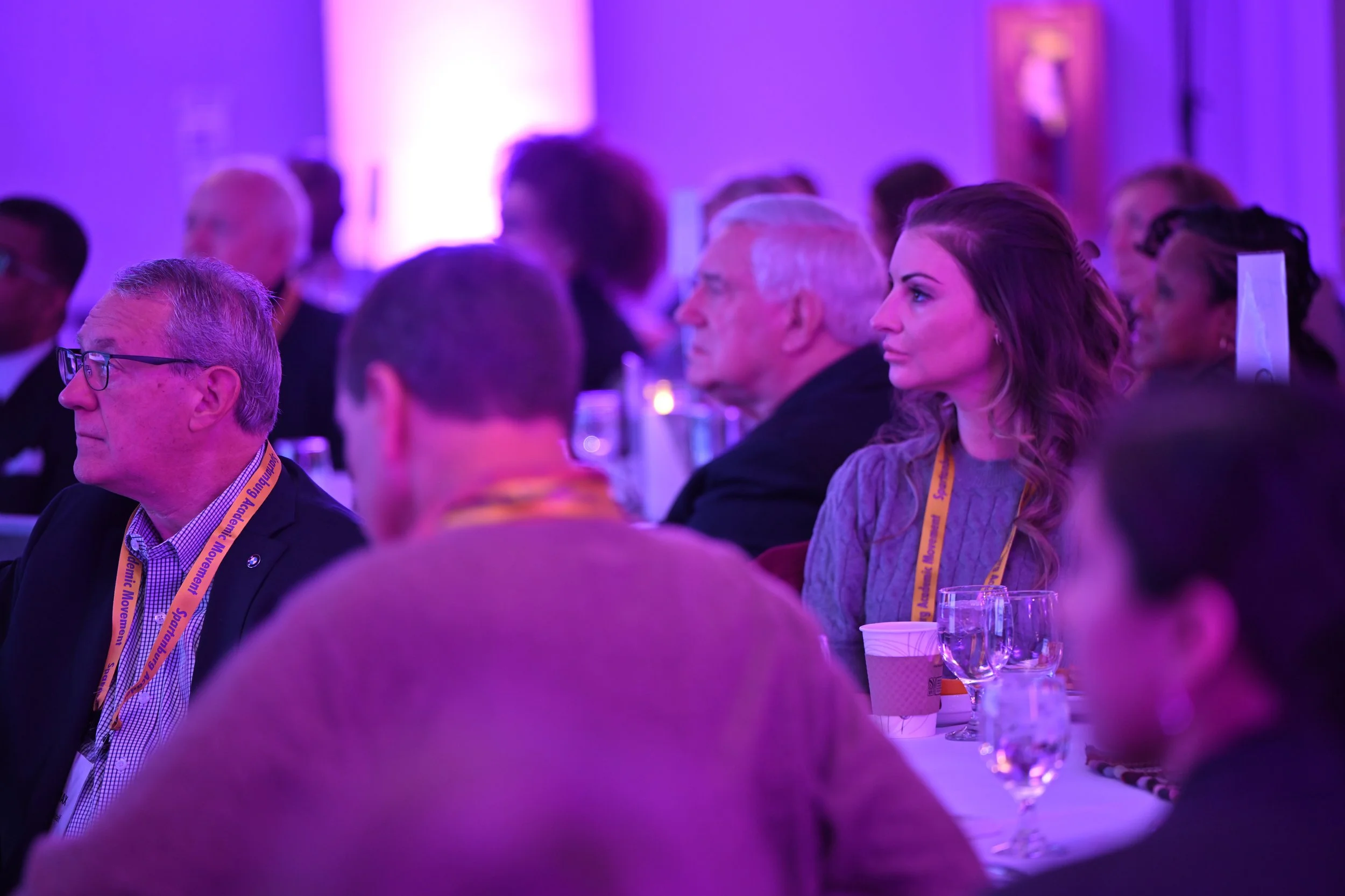
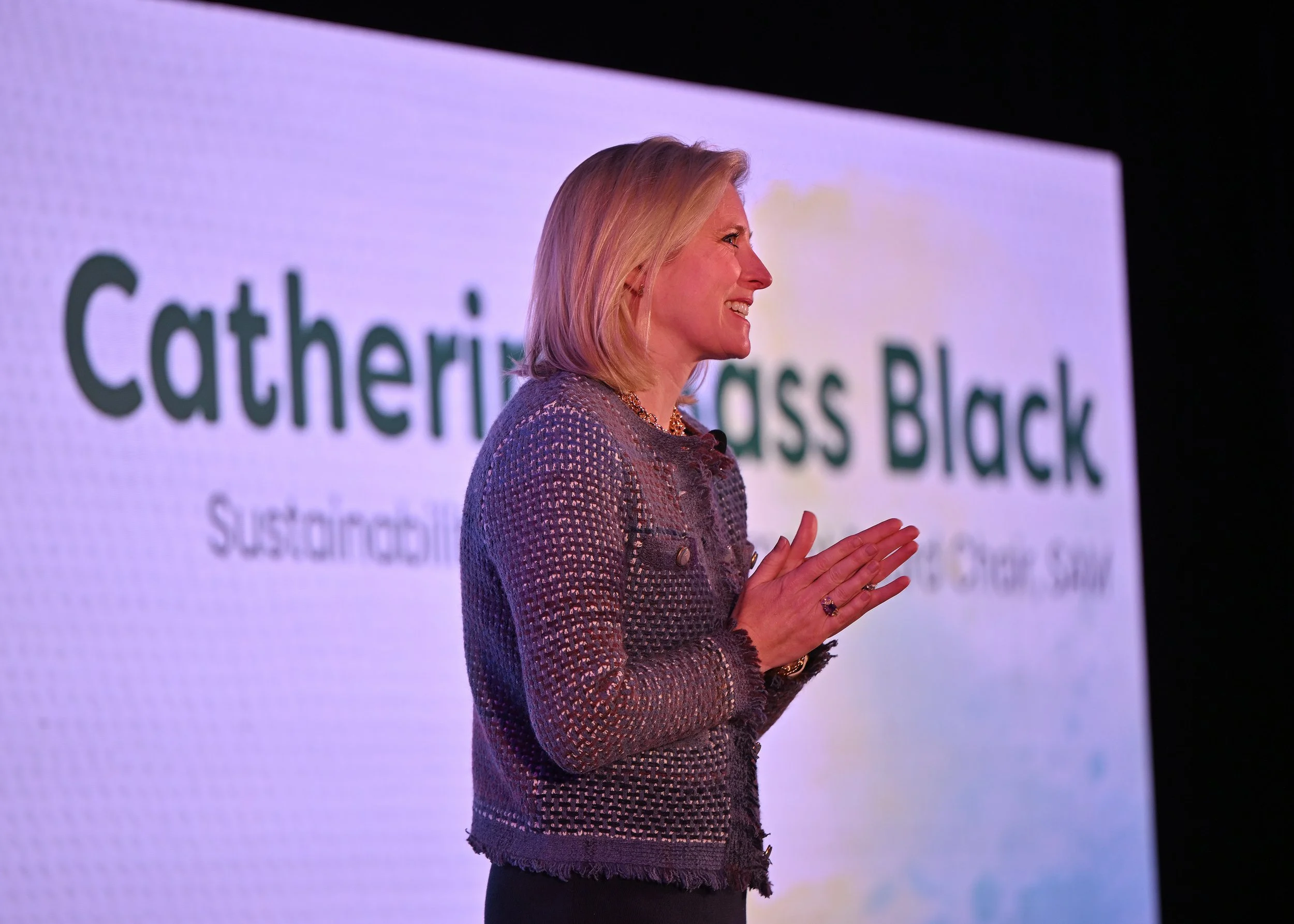
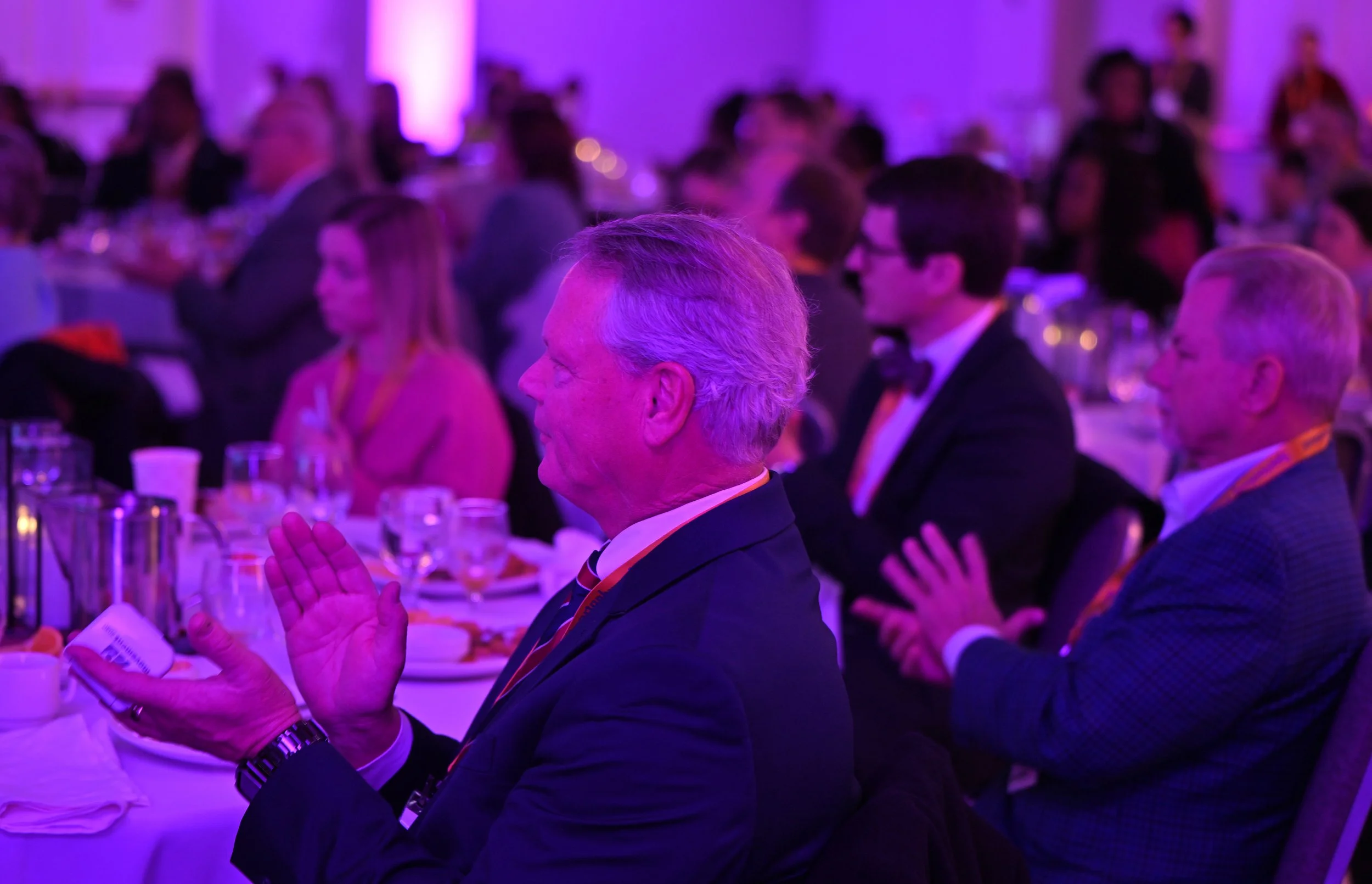
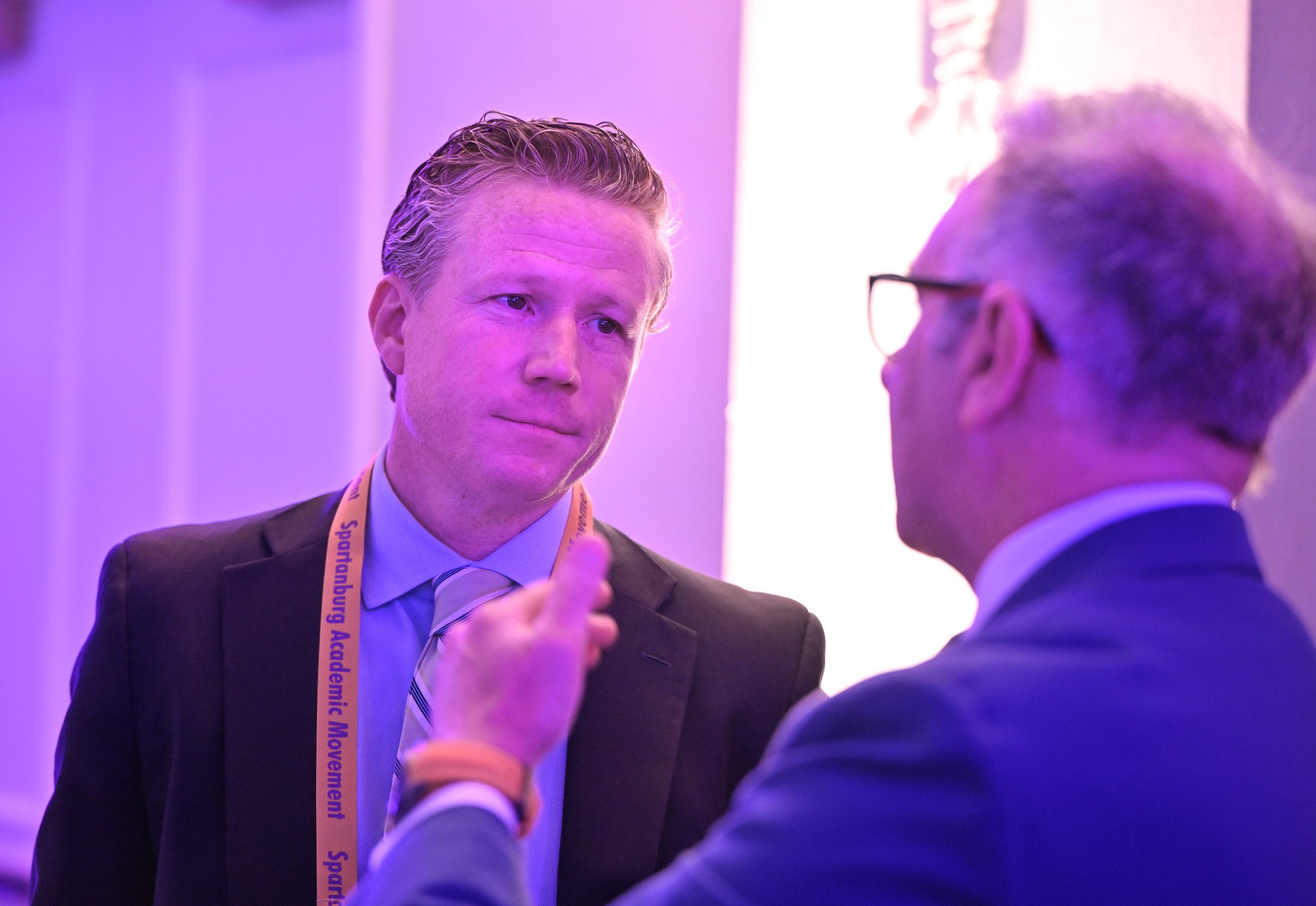
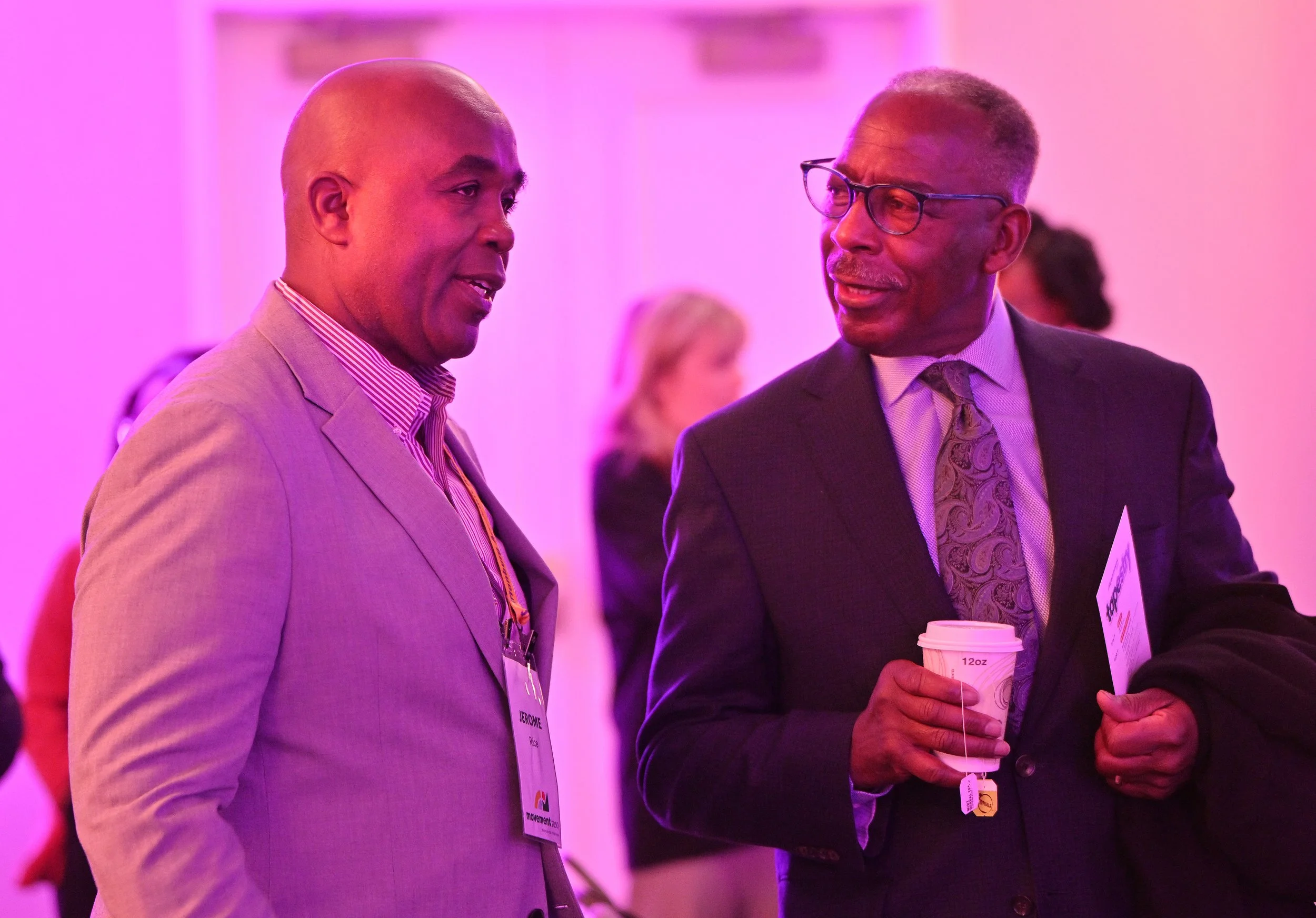
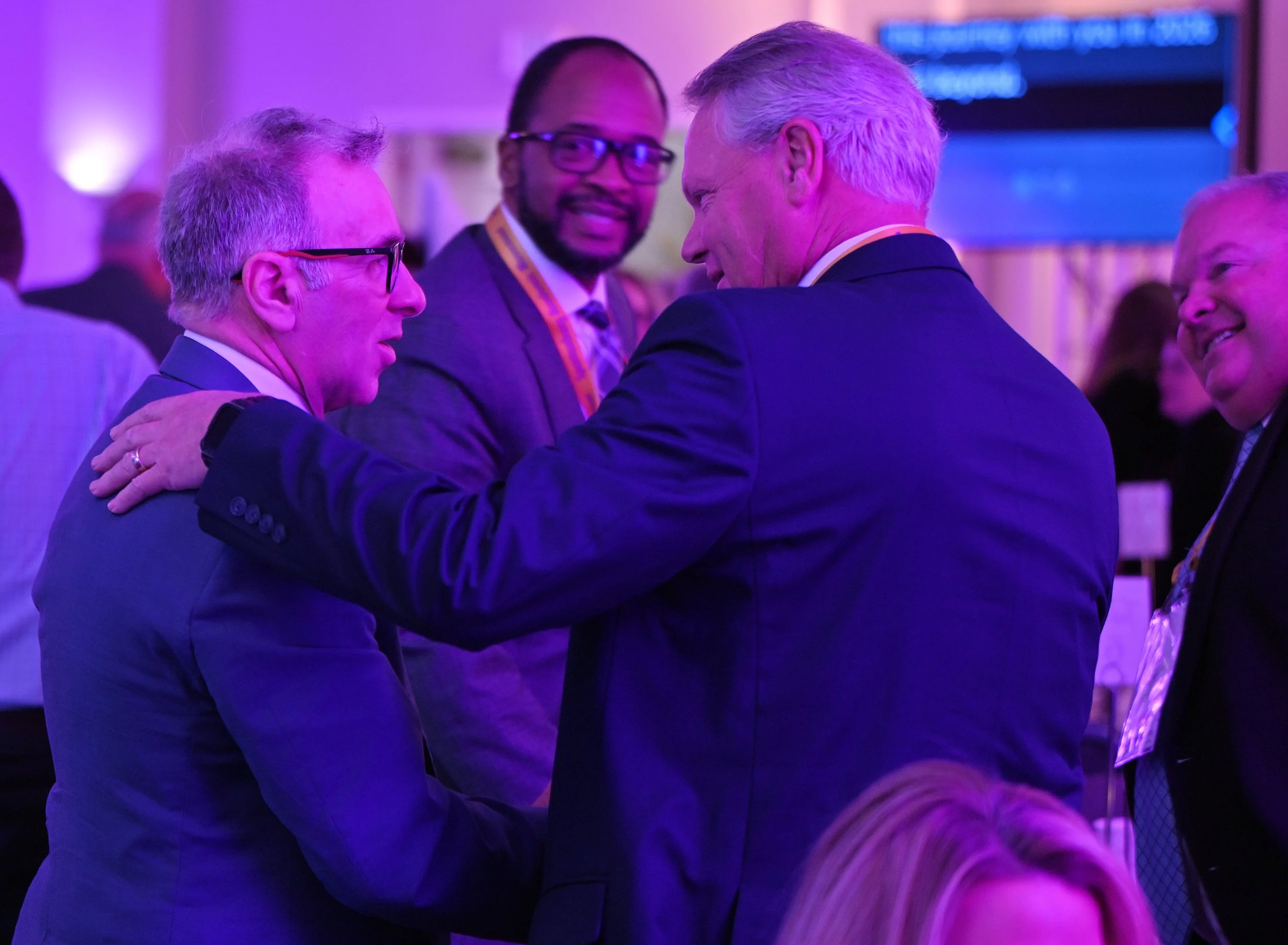
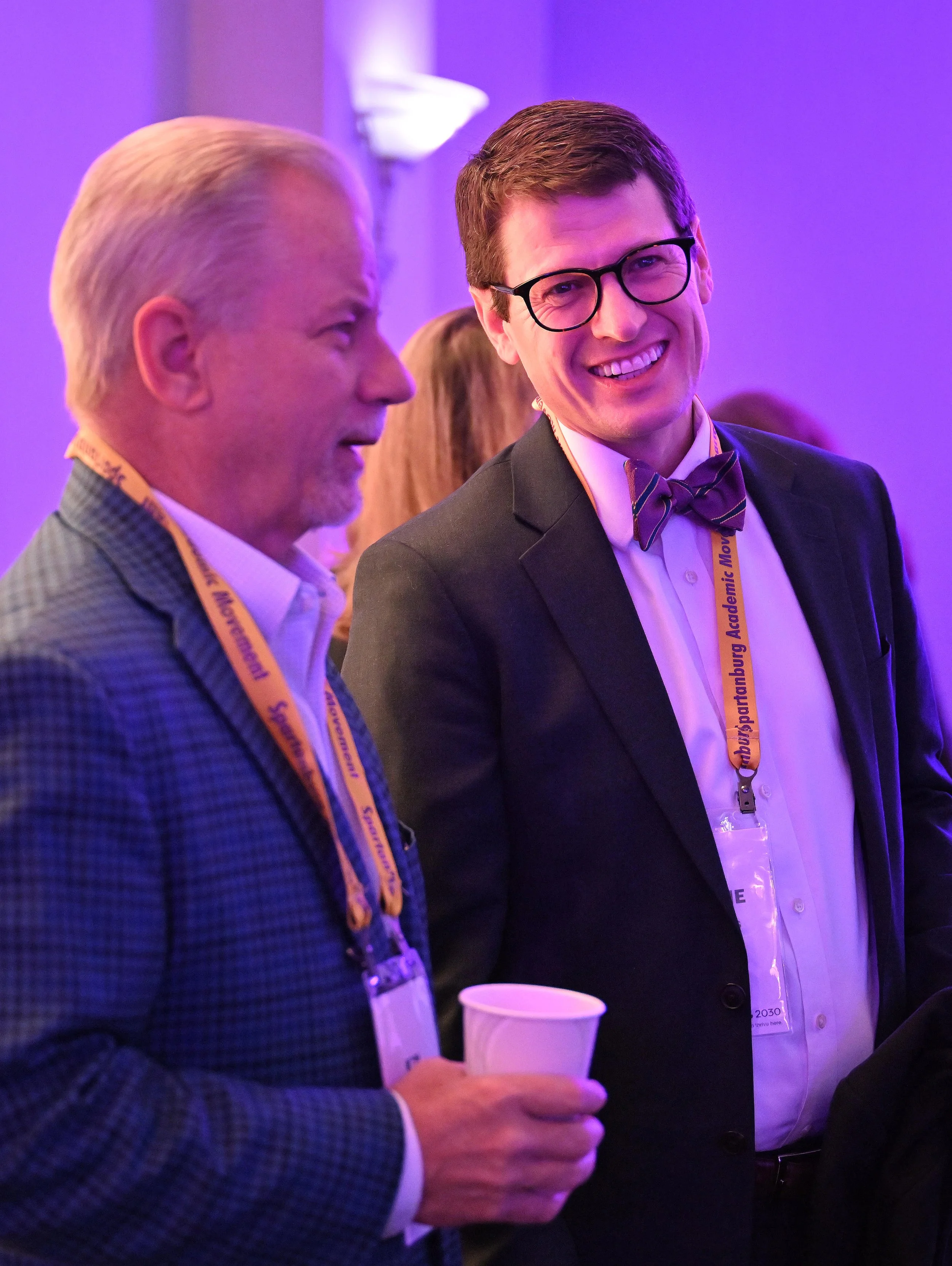
Last week, we gathered with Movement 2030 investors and partners to reflect on progress made in 2025. What we shared was clear: Spartanburg is turning alignment into action. And we’re seeing real momentum across the three Movement 2030 three strategies: early care and education, postsecondary success, and place-based neighborhood investment.
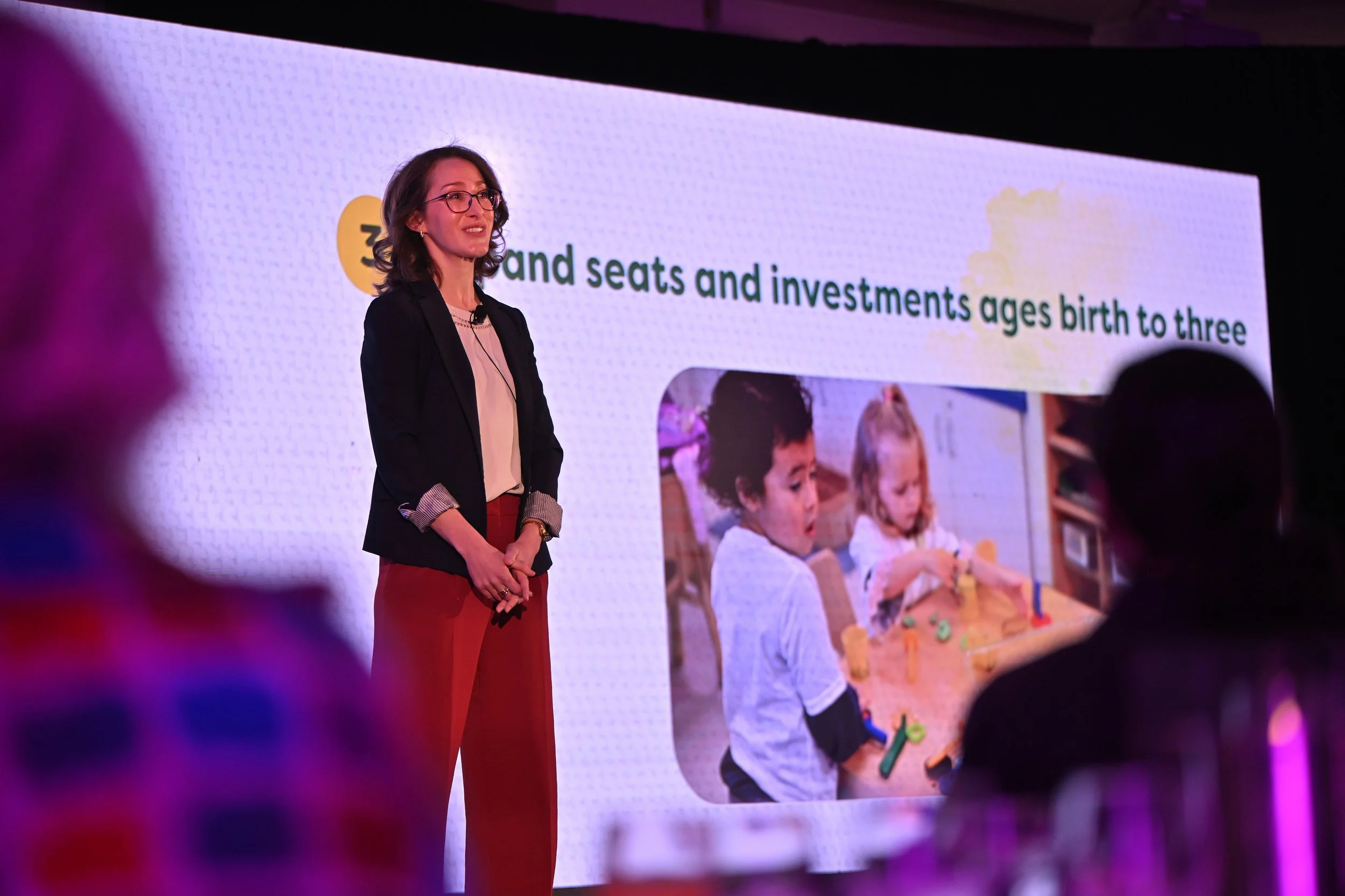
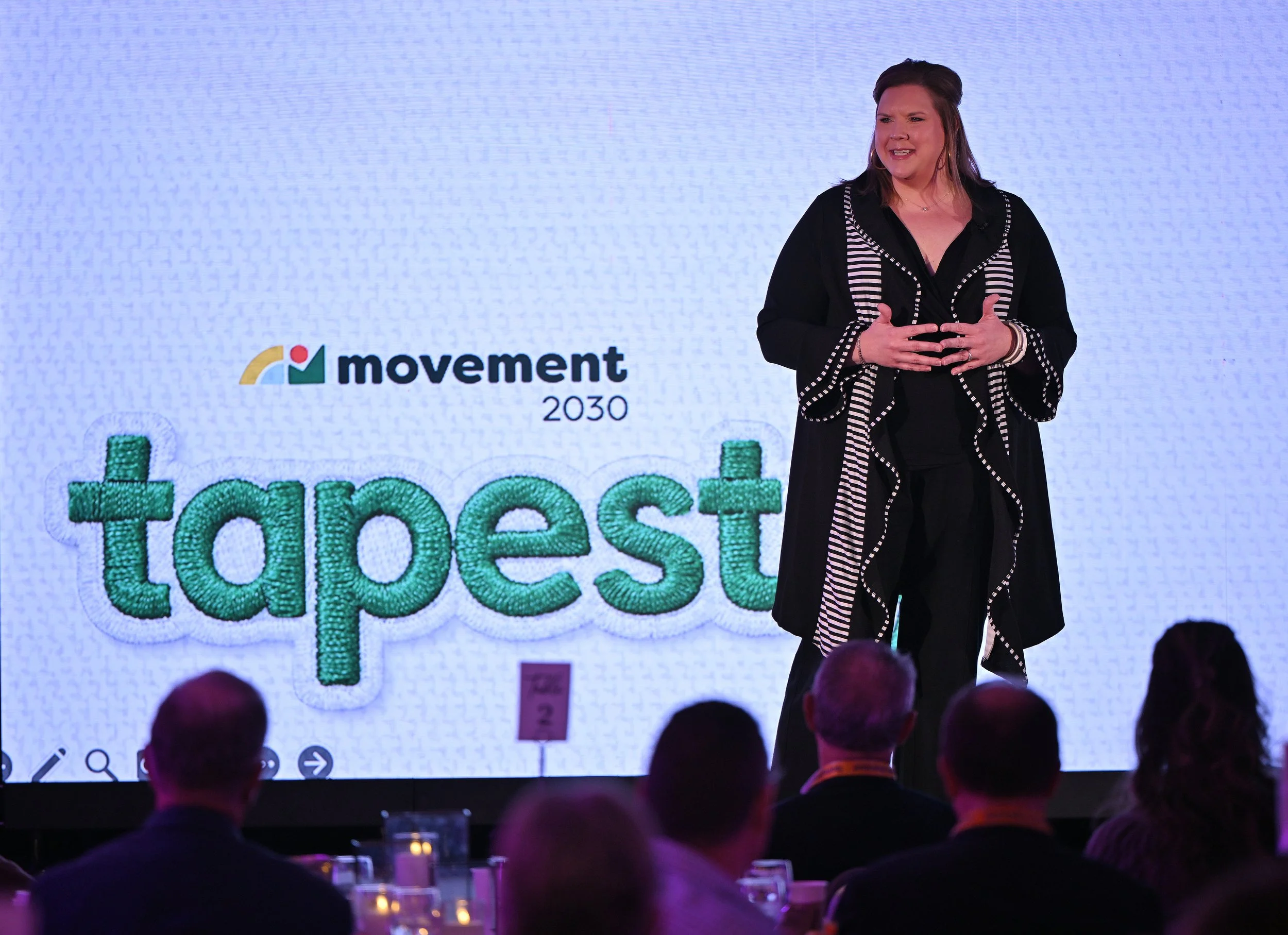
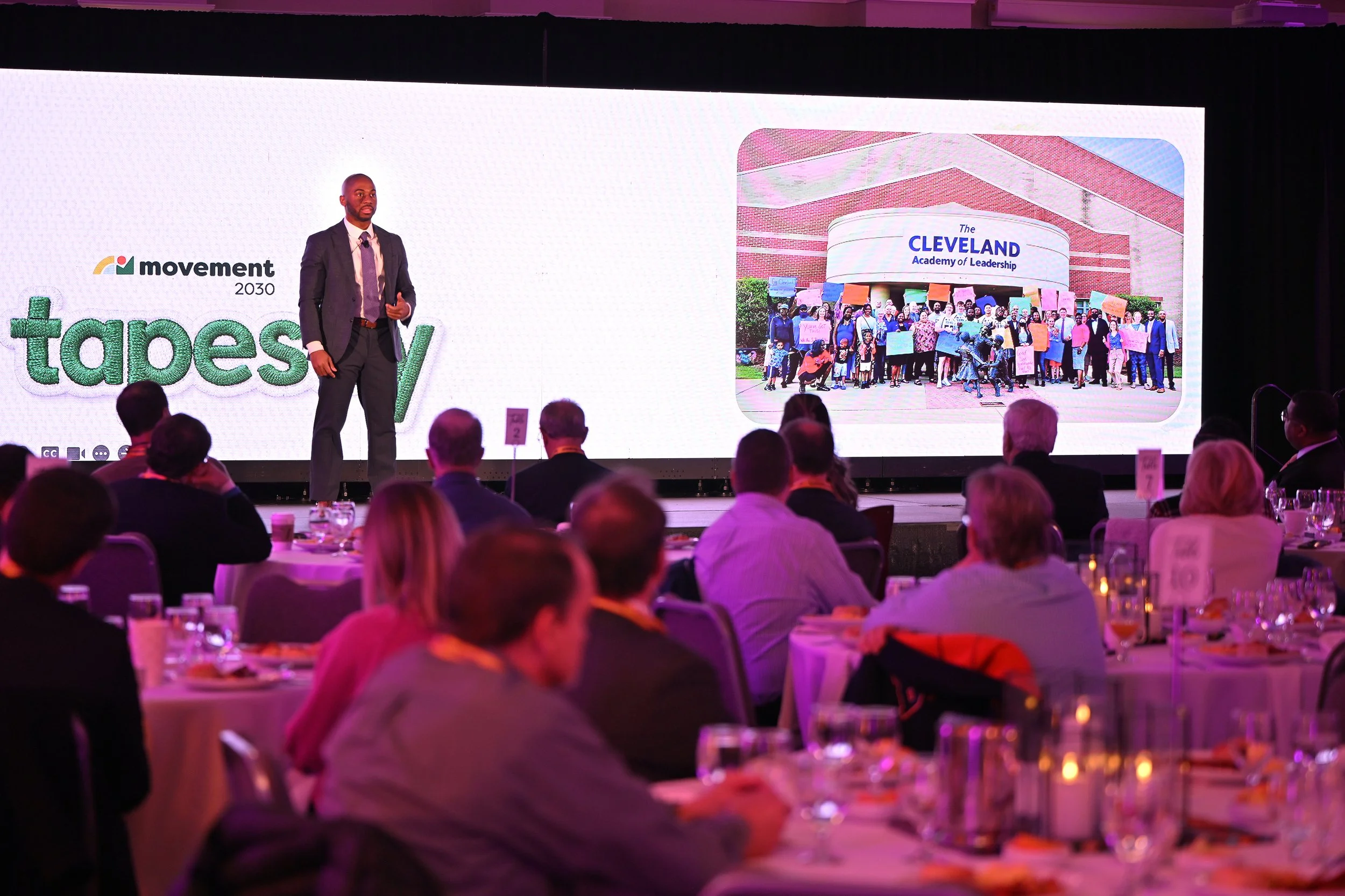
Taylor Dockter, SAM’s Director of the Center for Early Care and Education, reports 2025 data and outcomes that are making a difference for Spartanburg County families.
Building the Village Early
Science tells us what many parents already know: the earliest years shape everything that comes after. In fact, the first 33 months of life, from conception to age two, form critical scaffolding for lifelong learning and wellbeing. That window is narrow. Which is why early intervention and strong support systems matter so much.
In Spartanburg, we’ve been asking a defining question: If a family doesn’t have a village, will we build one?
Through Movement 2030’s early childhood investments, we are building that village by strengthening maternal health and early family supports because no parent is meant to do this alone.
Over the past year, early care outcomes include:
161 moms walked through pregnancy and postpartum alongside a BirthMatters doula
900+ families received home visits from Family Connects nurses
576 at-risk moms received one-on-one support through Maternity Management
These supports help ensure children in Spartanburg get the strongest start possible.
Quality early learning strengthens kids and the workforce
Helping children thrive also means ensuring families have access to safe, enriching, high-quality early learning environments. High-quality childcare supports healthy child development and it supports a thriving workforce by allowing caregivers to show up at work knowing their child is safe and supported.
Through our partners at First Steps, Spartanburg is home to Quality Counts, a rigorous process for assessing and elevating early care centers and family home providers countywide. Movement 2030 has accelerated this work. By the end of 2025, Quality Counts is supporting:
50 high-quality childcare providers
2,600 children served countywide
40+ partner organizations engaged through the Early Care and Education Network
This kind of systems-building is what collective impact makes possible: aligned partners, shared data, and coordinated action that strengthens an entire ecosystem, not just one service.
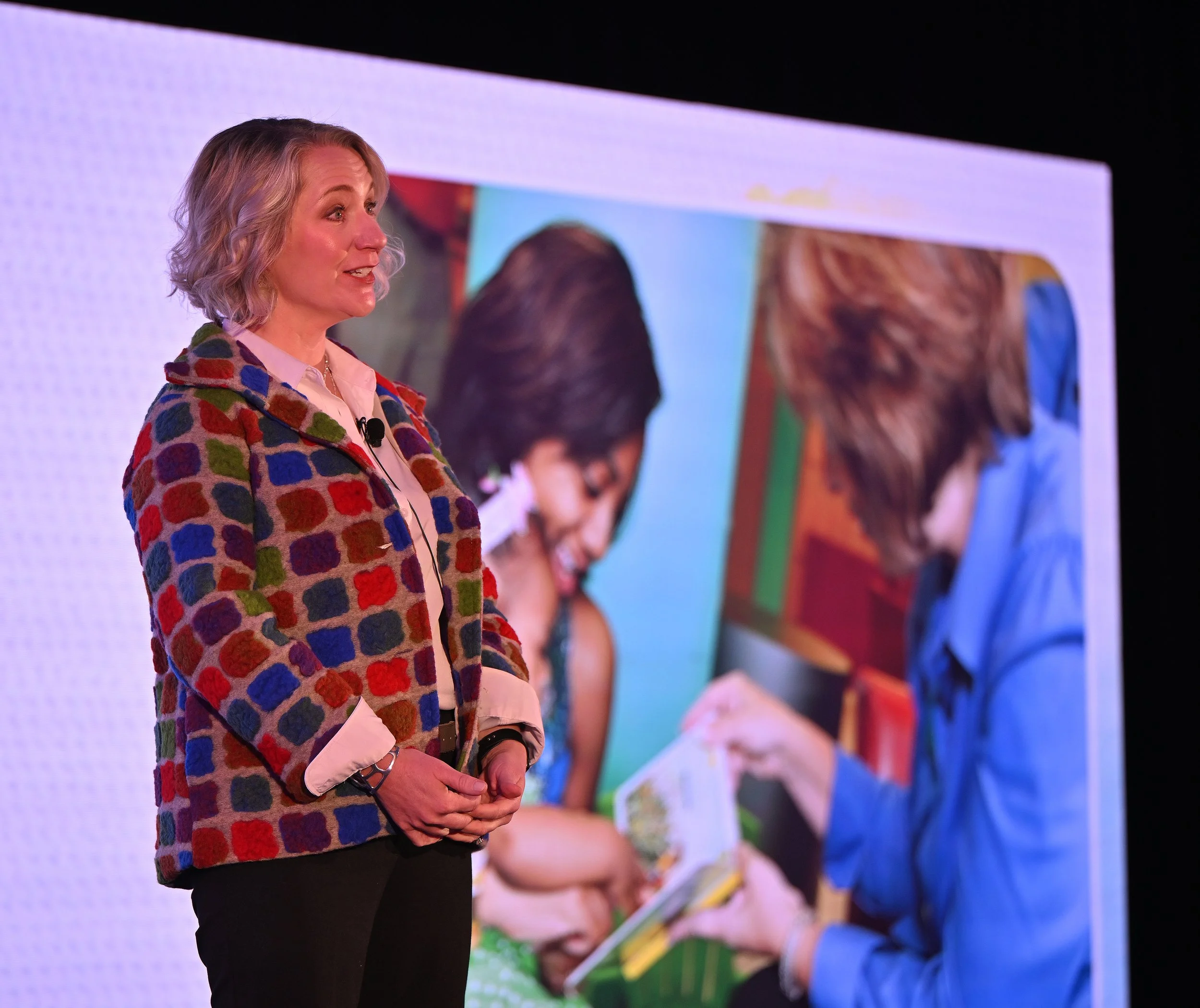
Emily Bartels, South Carolina Director for Reach Out and Read, says Movement 2030 will allow programming to expand from seven to 13 clinics by the end of 2026.
Relationships Matter: The Power of Early Literacy and Early Relational Health
If you pause and think of your favorite children’s book, you probably don’t remember how many words were on the page. You remember the relationship: the closeness, the warmth, the laughter, the feeling of being safe and loved.
That’s why one of our Early Care partners and investees, Reach Out and Read, is more than books. It’s about early relational health, supporting the bond between parents and children as a foundation for long-term development. During the baby’s well-visit, the child’s physician uses books and shared reading to support caregivers in fostering early literacy and healthy relationships. Reach Out and Read is the only literacy model endorsed by the American Academy of Pediatrics,
In the first half of the year alone, Reach Out and Read distributed books to more than 4,300 children through partnerships with local clinics. And through another Early Care partner and investee, Dolly Parton’s Imagination Library, Spartanburg families receive a steady stream of books at home, an average of 5,900 children enrolled each month, with 70,000 books delivered last year.
These aren’t just statistics. They are moments of connection happening at kitchen tables and bedtime routines across our county - small, consistent interactions that shape language, confidence, and readiness to learn.
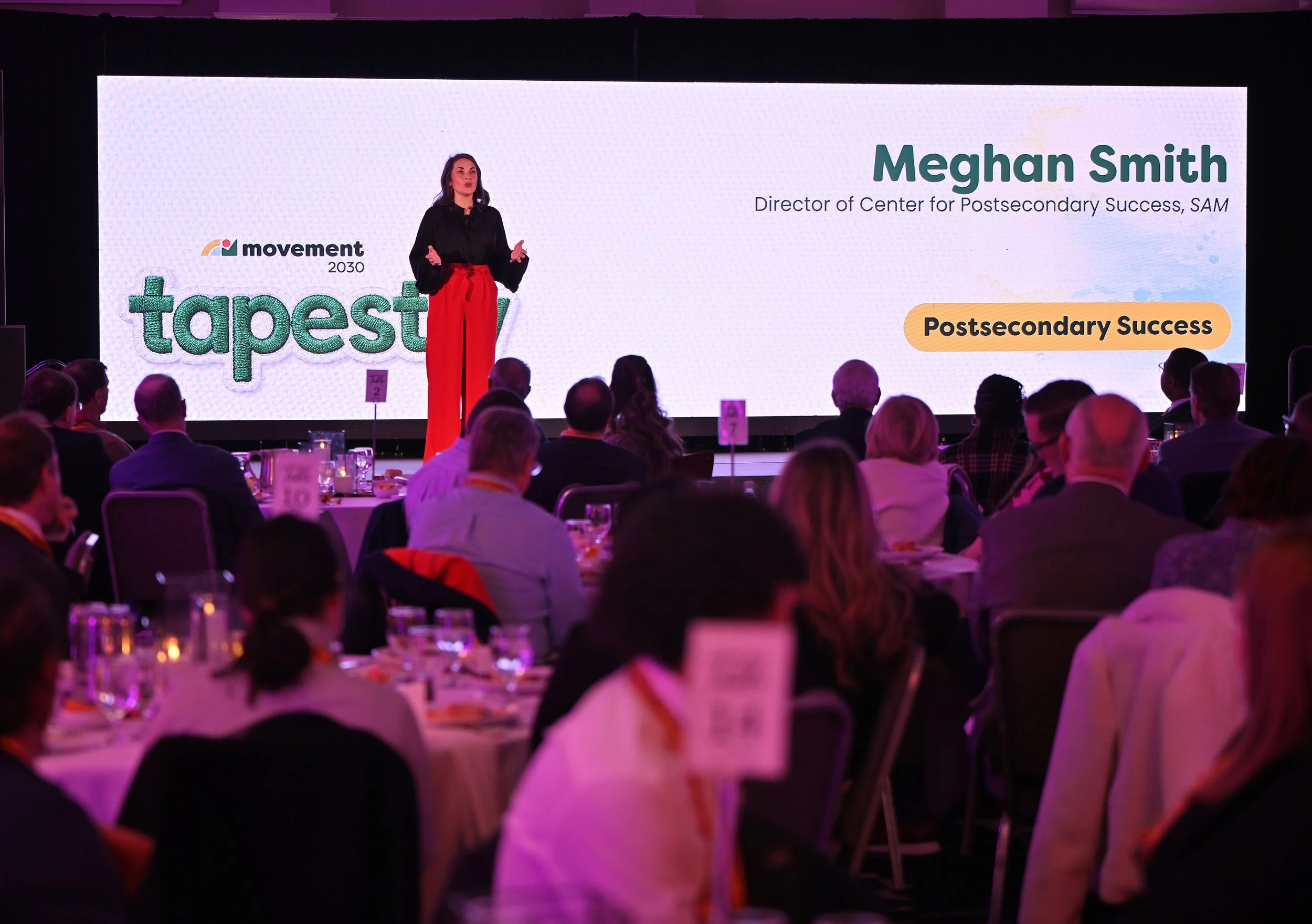
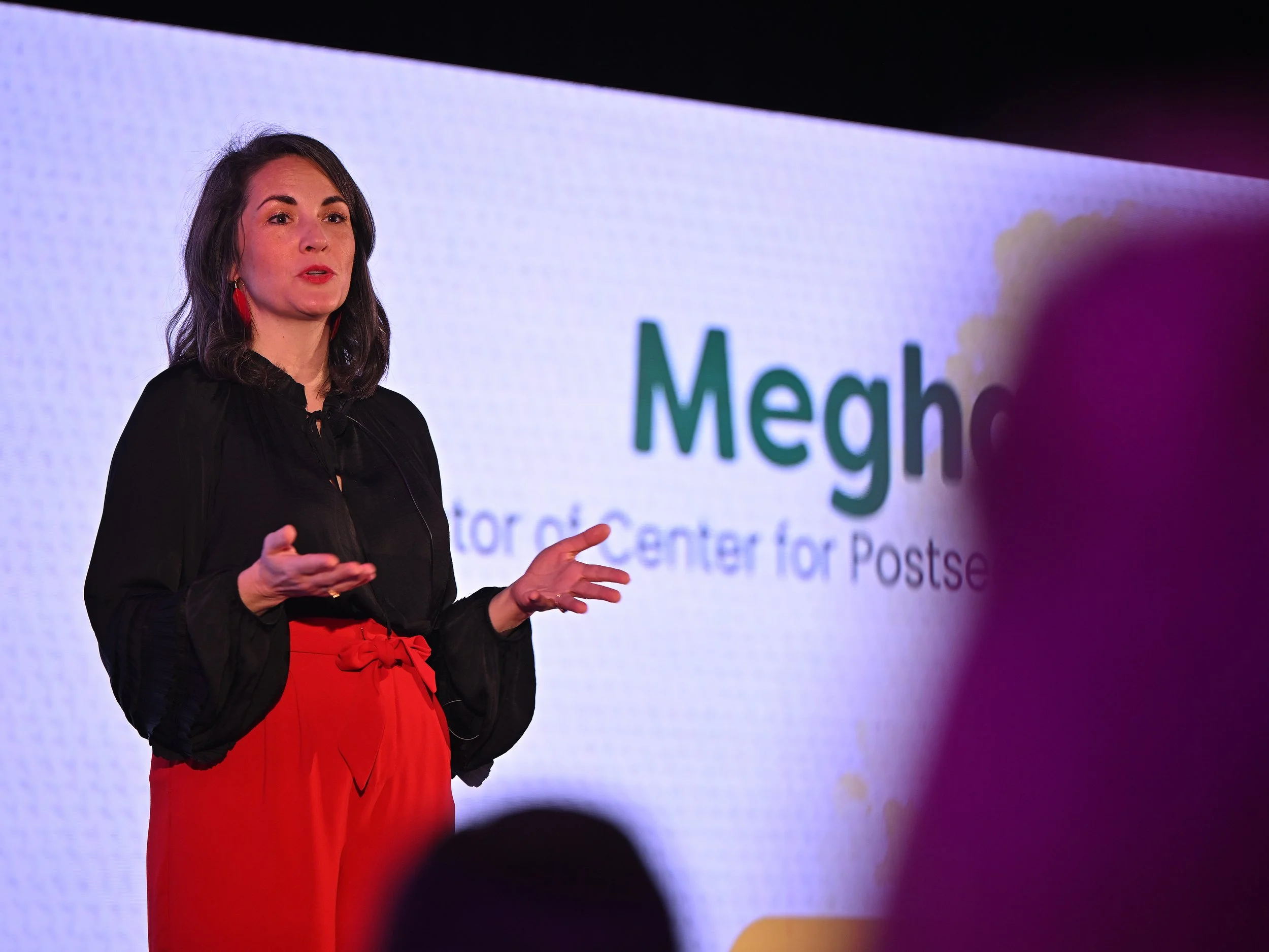
Meghan Smith, Director of the Center for Postsecondary Success, announces the launch of Big Mo - Spartanburg’s College Access Program — which already has more than 33% of high school seniors signed up.
Postsecondary Success: From Access to Completion to Careers
Movement 2030’s postsecondary strategy is designed to help more students and adults earn credentials that open doors, not just to jobs, but to careers and pathways to life success.
In 2025, our county reached a milestone years ahead of schedule: 3,148 certificates earned - surpassing our 2030 certificate goal five years early.
We also launched one of the most significant countywide efforts in recent memory: Spartanburg’s Promise Program, designed to increase postsecondary enrollment and support students pursuing education after high school. This idea first surfaced in our community in 2008. Now, 18 years later, it’s real, and this senior class is the first to benefit.
Big Mo is Spartanburg’s College Access Program that addresses the number one challege to students enrolling in college: cost barriers. Big Mo provides support to all Spartanburg high school seniors and provides financial incentives for those who enroll at USC Upstate, Spartanburg Community College, Spartanburg Methodist College and Converse University.
Already, 1,200 students - 33% of seniors across Spartanburg County - have signed up.
And we’re not just opening the door; we’re working to keep students moving through it. Across our partner colleges and campuses, institutions are strengthening completion supports - from male retention efforts at Converse University and early-semester engagement programming at Spartanburg Methodist College to tuition-balance assistance at Spartanburg Community College, life coaching, and coordinated outreach to address basic needs. In 2025 alone, programs like SOAR supported students in staying enrolled or graduating, and campus-based resource coordinators served 230 students, more than doubling last year’s reach.
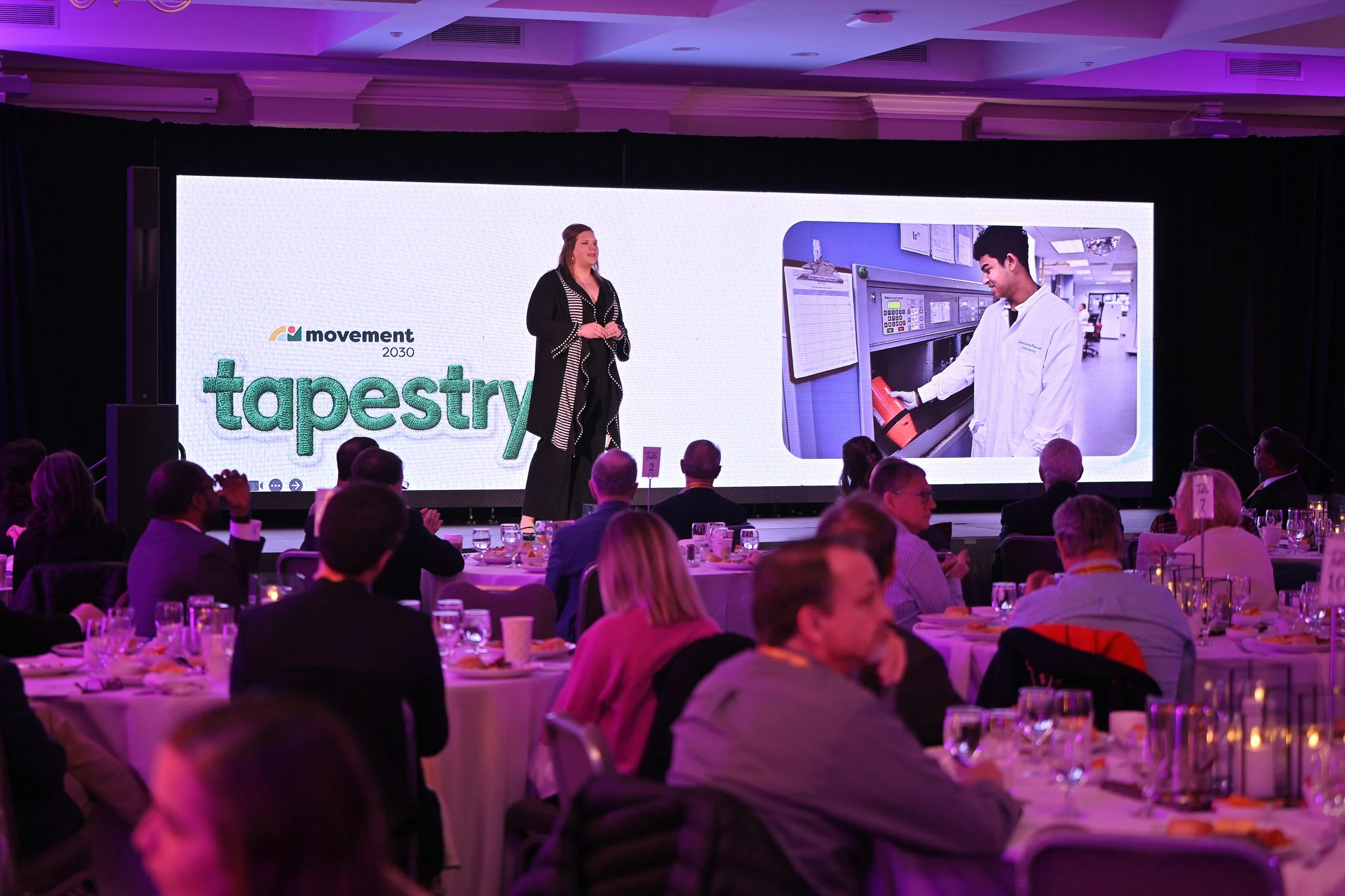
Julie Denesha, Spartanburg Regional’s Workforce Development Manager, said Movement 2030 has allowed the hospital to reach almost 10,000 high school students — creating a pipeline of students who are interested in healthcare.
Finally, we are strengthening the connection between education and the workforce through work-based learning. Employers have already committed to 600 meaningful work-based learning experiences for Summer 2026 through Movement 2030’s partnership with OneSpartanburg, Inc. in high-demand fields, helping students gain exposure, confirm career fit, and build relationships with mentors.
The Spartanburg Talent and Retention (STAR) Fellowship, also a partnership with OneSpartanburg, Inc., weaves together educators, employers, and career professionals to strengthen pathways from education to meaningful work. By aligning relationships across systems, the fellowship helps students access internships, mentorships, and career opportunities that lead to long-term economic mobility.
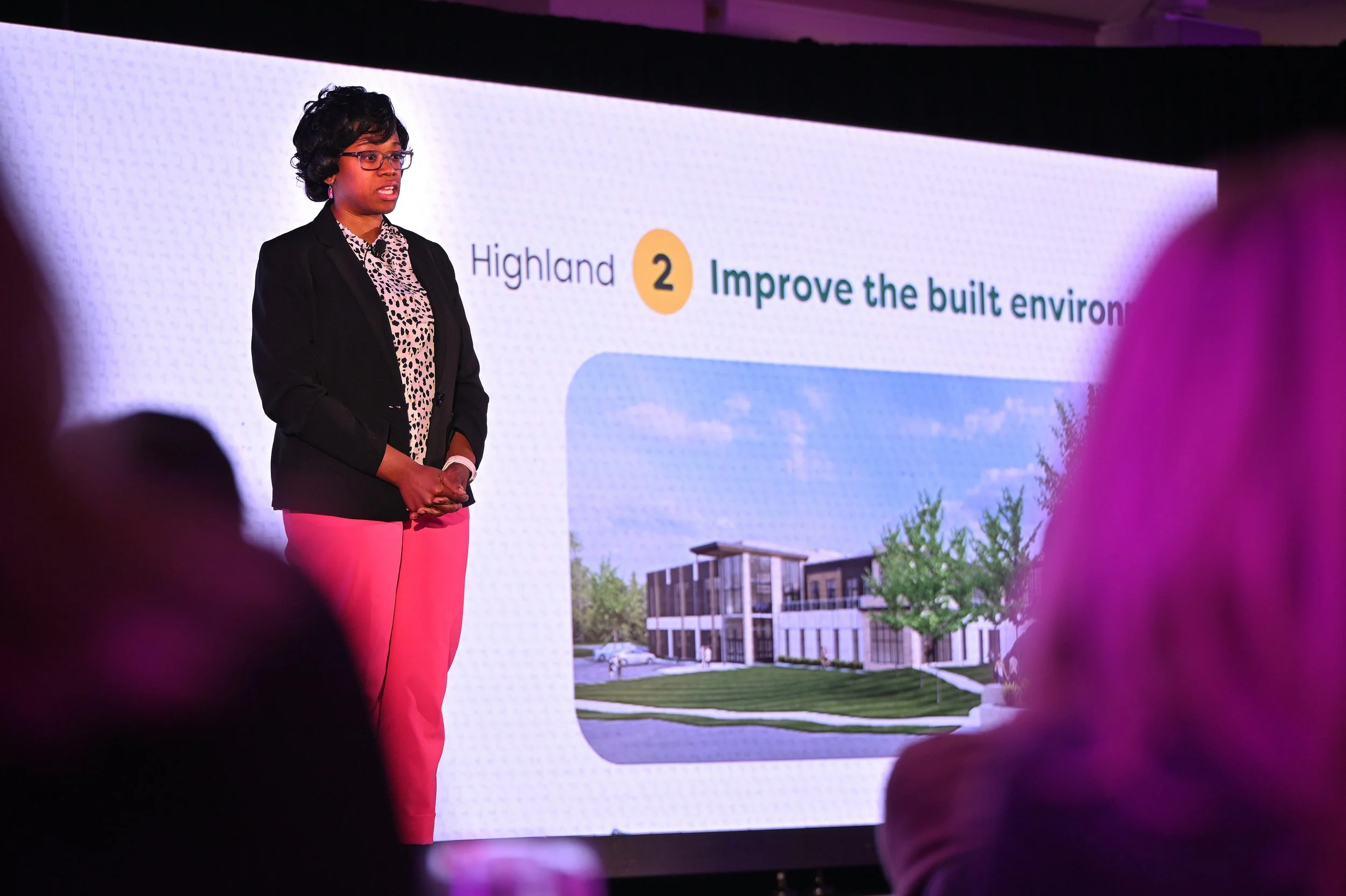
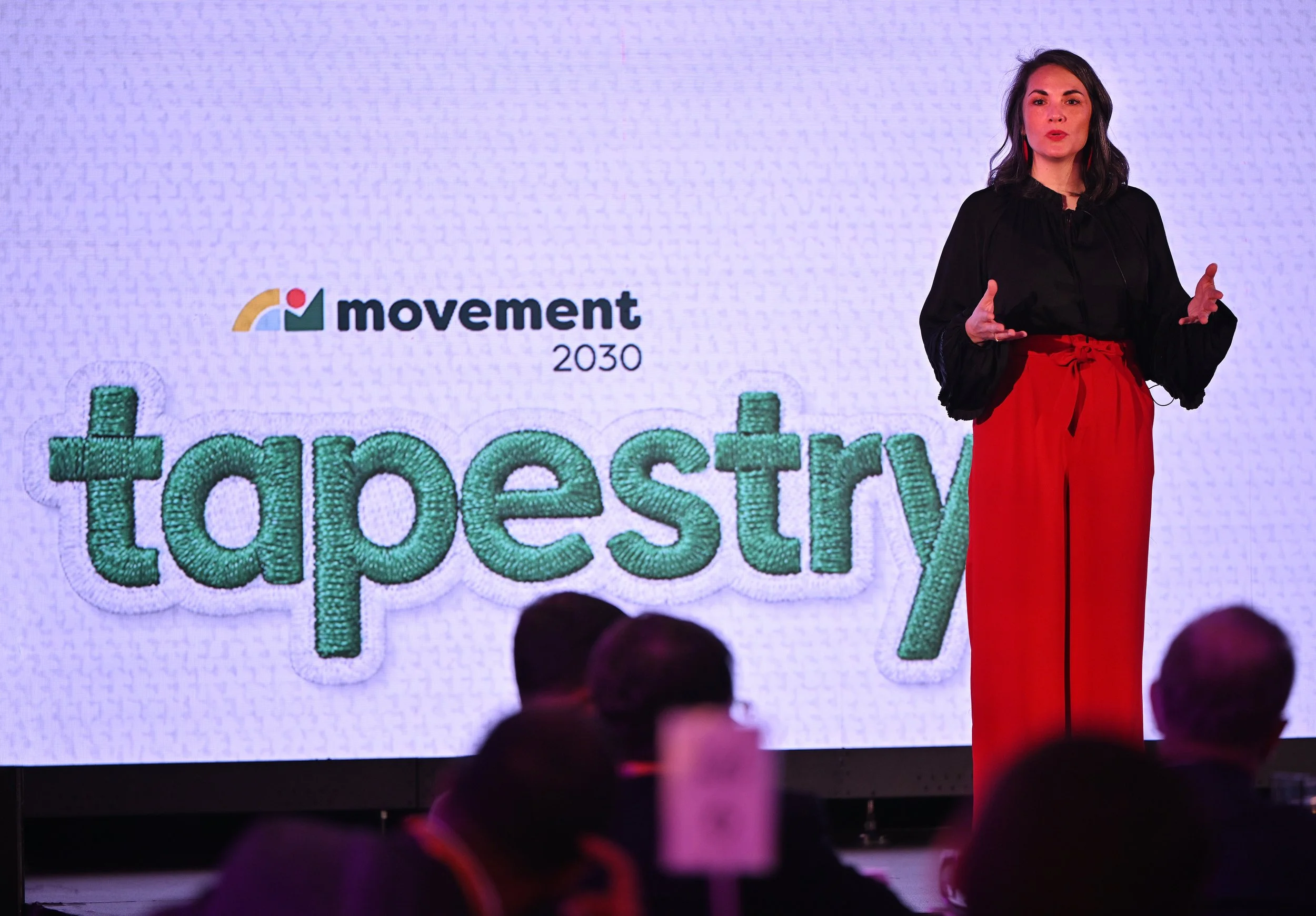
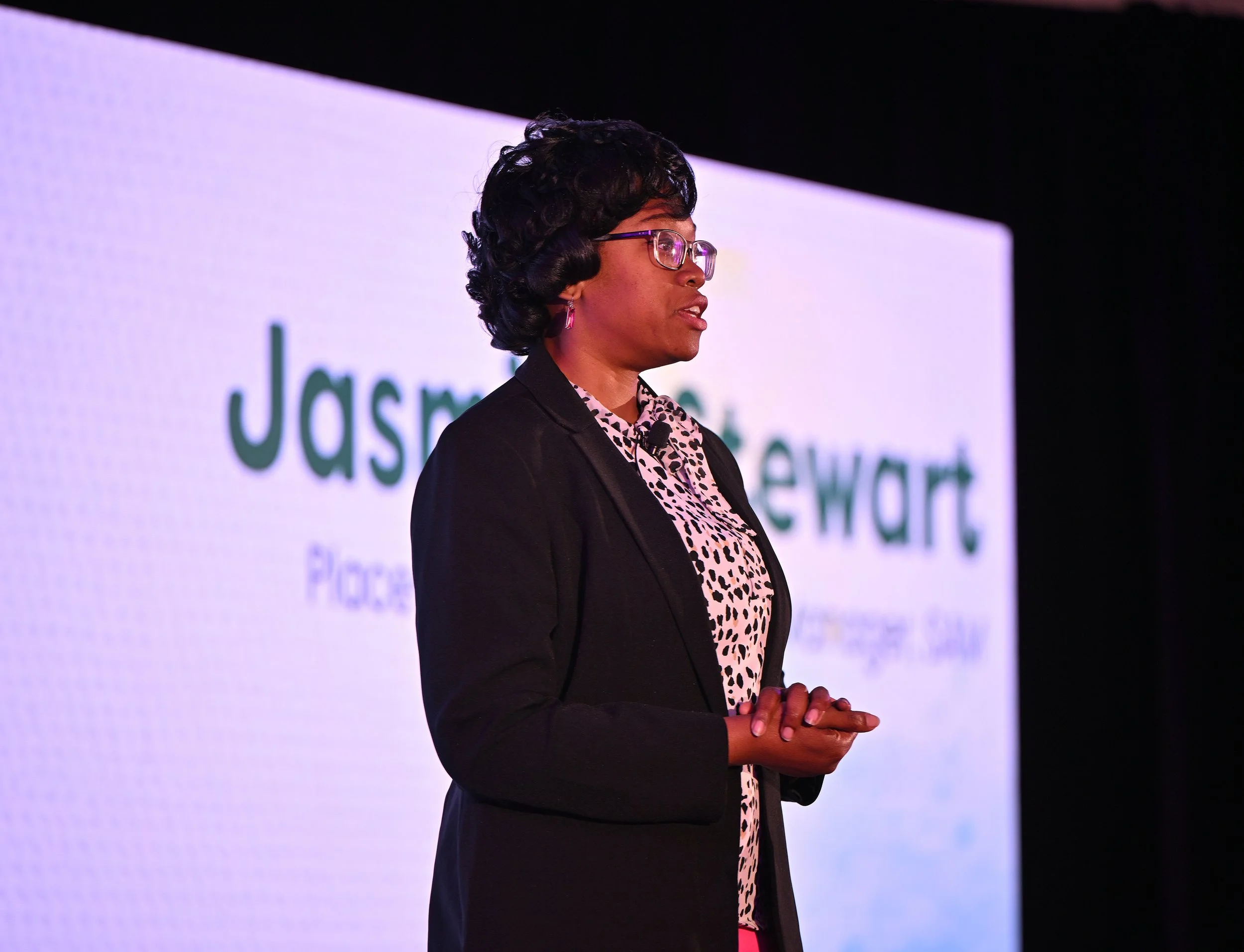
Jasmine Stewart, Place-Based Manager, says Movement 2030 is funding powerful programming in the. Northside and Highland Communities and has leveraged important federal funds like Full-Service Community Schools and Promise Neighborhood support.
Neighborhoods: Place-Based Partnerships that Strengthen Schools and Families
The research is clear - where people live powerfully shapes life outcomes. That is why Movement 2030 includes place-based investment that strengthens neighborhoods and the schools within them.
In 2024, Spartanburg launched Family Academy to deepen two-generation academic supports to link school success with family stability. Through Northside Development Group and The Bethlehem Center, 507 families have been served through an evidence-based mentoring approach that helps students stay engaged in school while building long-term trust with families.
“Movement 2030 doesn’t just align organizations, it builds trust, shared accountability, and the relationships that hold this work together. That’s how systems change becomes real for families.”
And our place-based work is expanding. In December 2024, Spartanburg was awarded a $1 million Promise Neighborhood Implementation grant, enabling the community to extend place-based strategies to the Southside. In 2025, that investment moved into action, adding trusted community roles, strengthening school-based coordination, and making rapid resource investments to support local organizations.
This is what it looks like when collective impact becomes real: not just aligned plans, but aligned people embedded in the work, showing up consistently, weaving together what families need.
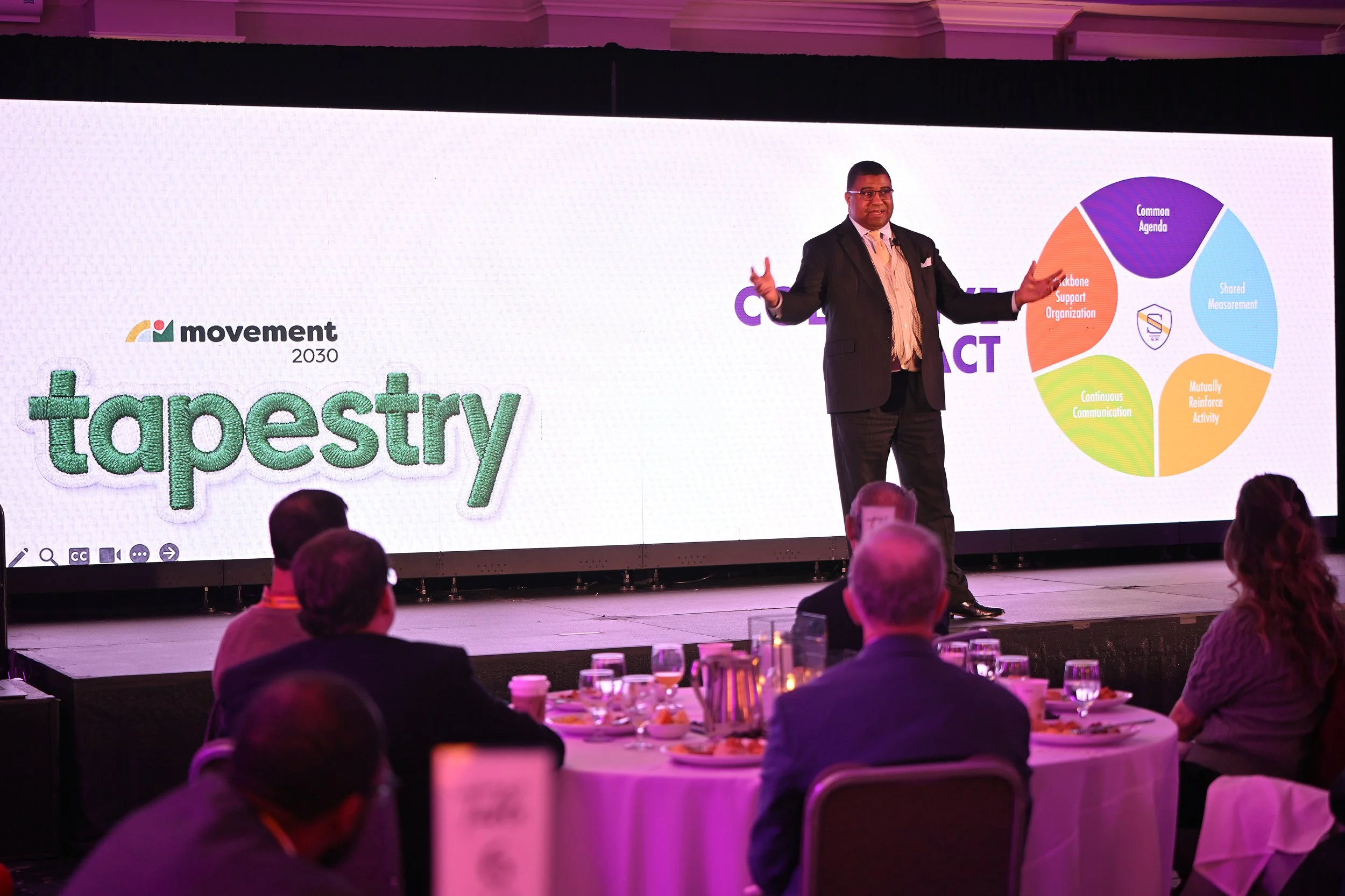
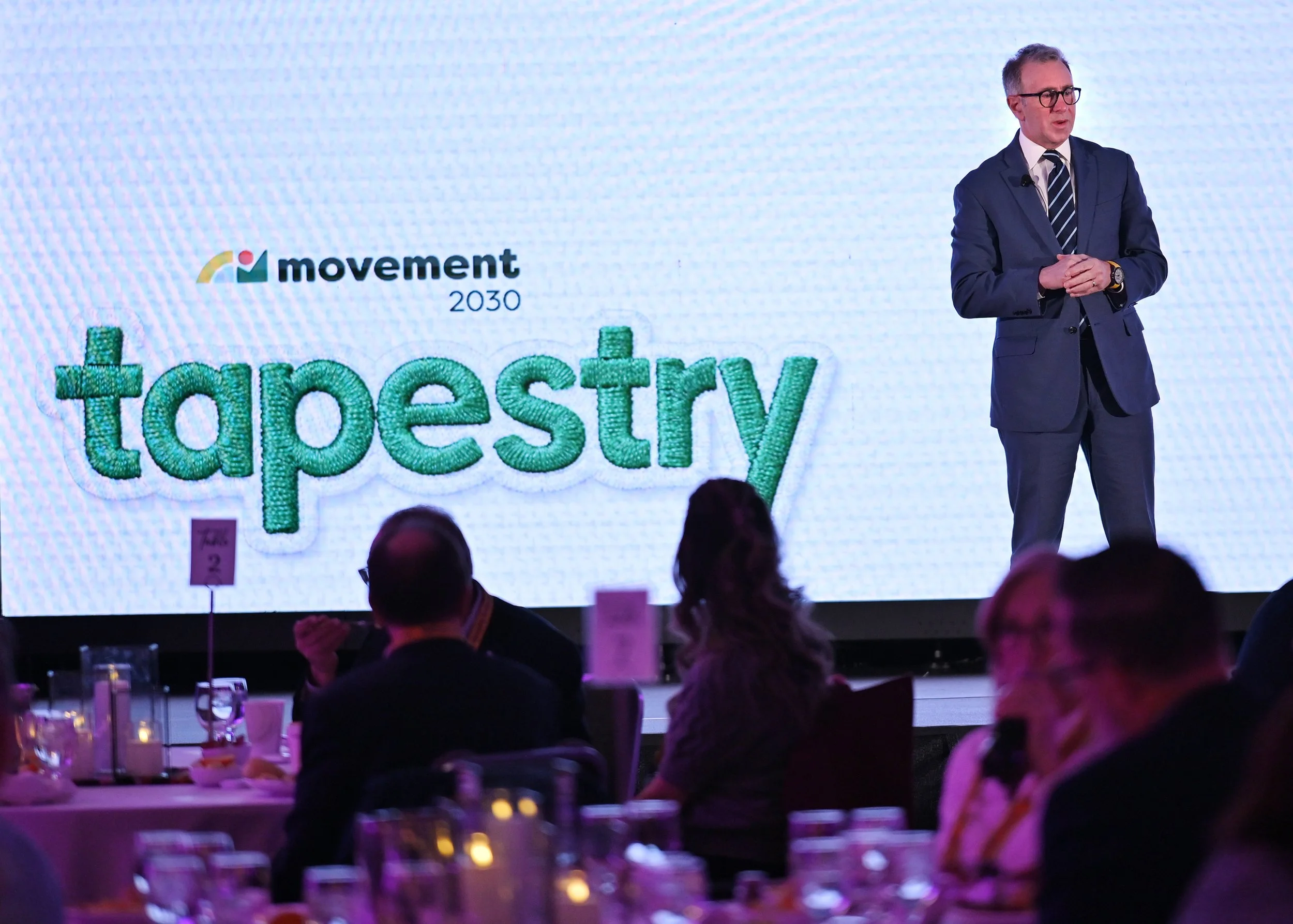
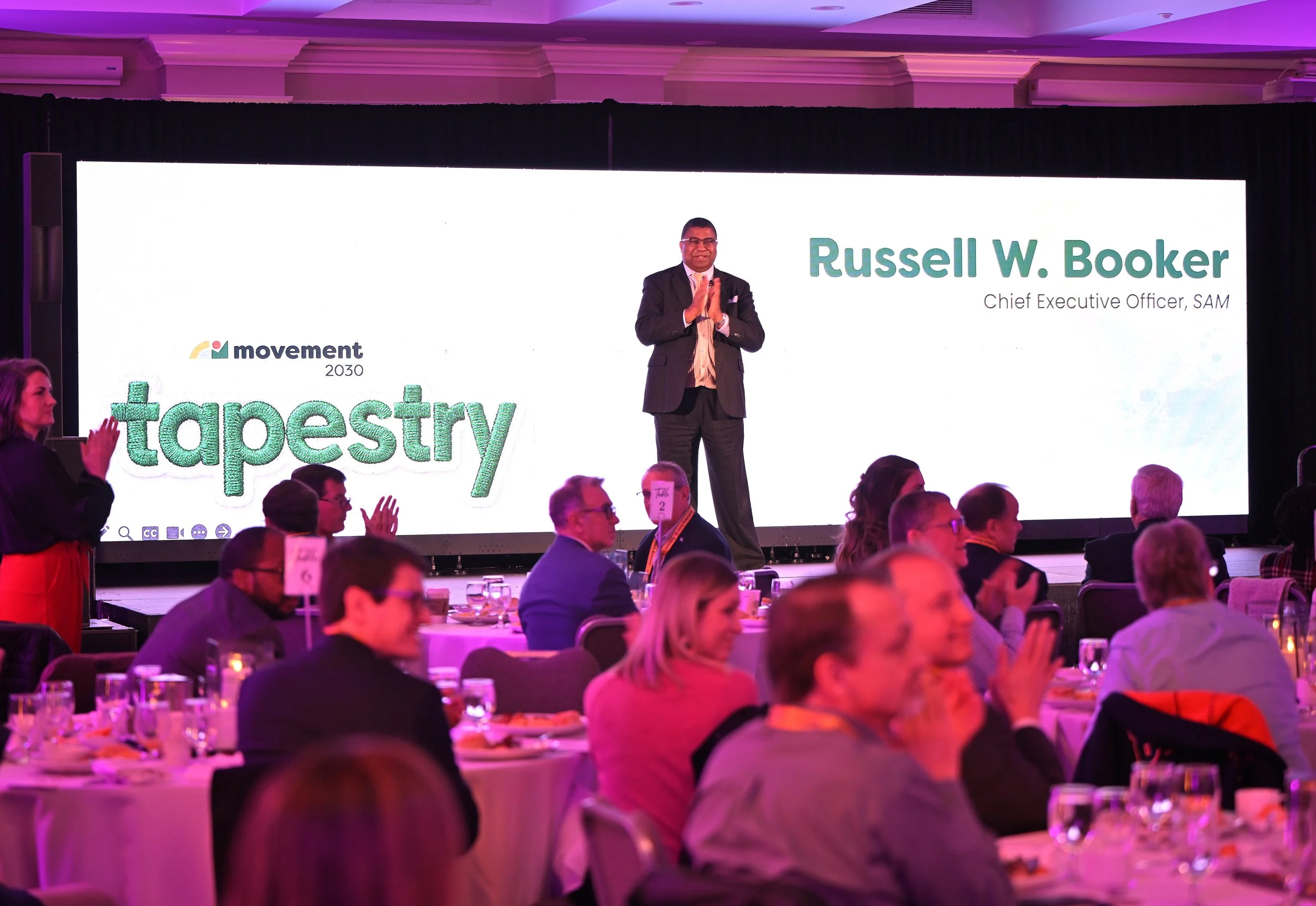
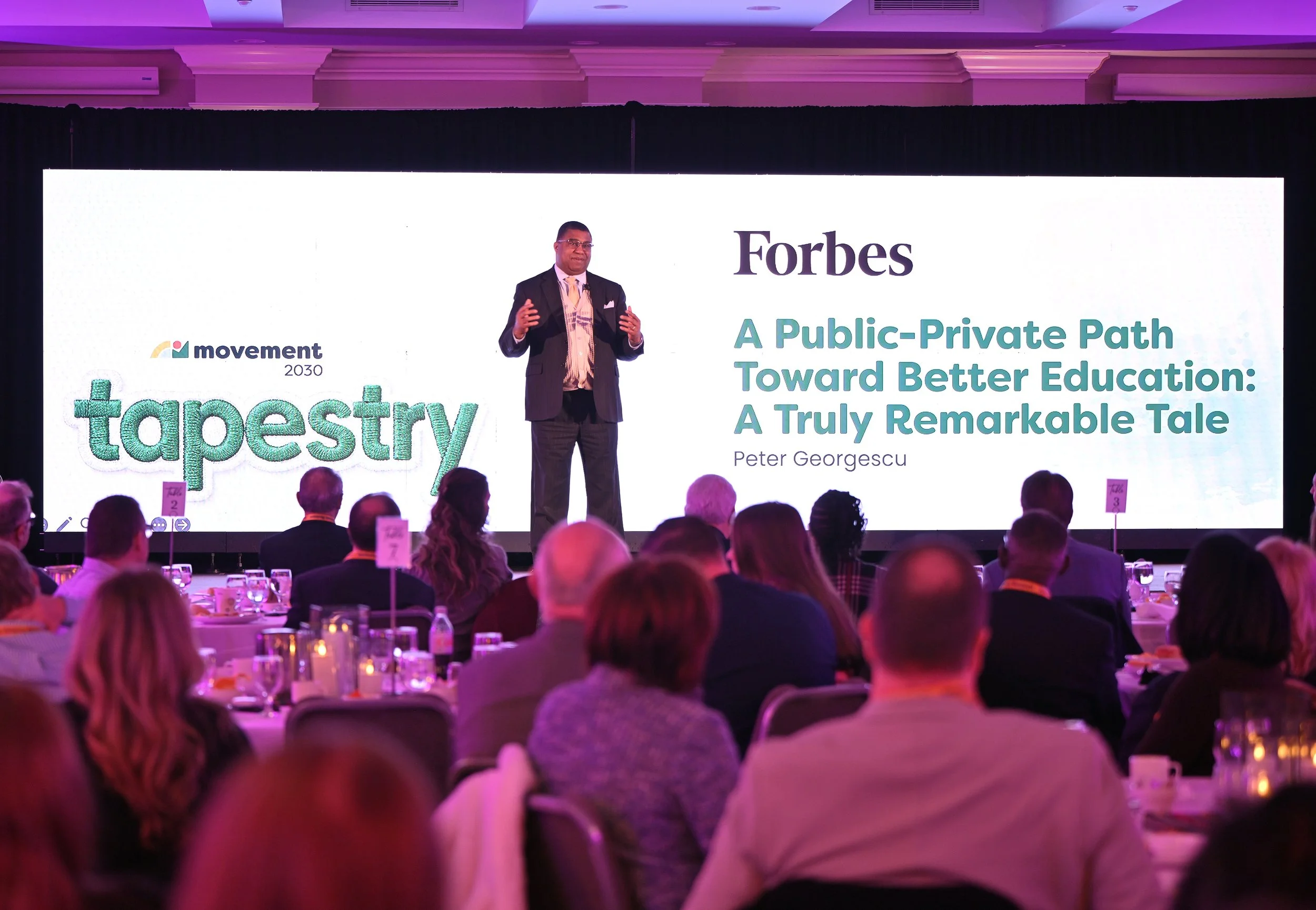
SAM CEO Dr. Russell Booker gives an overview of the year and explains how SAM uses data to drive investment.
A tapestry strong enough to hold—and flexible enough to grow
A tapestry isn’t built by one thread, no matter how strong. It is created when many different strands, each with its own role and texture, are woven together with intention.
That is what Movement 2030 is building in Spartanburg: a fabric tight enough to hold, flexible enough to endure, and strong enough to expand opportunity across generations.
Every doula. Every nurse. Every caregiver class. Every classroom seat. Every book. Every internship. Every mentor. Every partnership.
These are the threads of a stronger future.
And as we continue this work, our message remains simple: everyone can thrive here.
Stay connected as we share more stories of progress in the months ahead, including our upcoming impact report. In the meantime, we invite you to follow along and help us keep building the village together.